Thinking about boosting your Rose Hill home’s value without running into ARB roadblocks? You are not alone. Many owners and investors want curb appeal, better outdoor living, and a faster sale, but they also need to respect community guidelines and local permits. In this guide, you’ll learn which upgrades typically win approval, how to plan your submissions, and what to avoid so you protect your timeline and budget. Let’s dive in.
Why ARB approval matters in Rose Hill
In Rose Hill, the Architectural Review Board (ARB) protects neighborhood character, curb appeal, and property values. The ARB looks at style, scale, and visibility from the street. At the same time, the Town of Bluffton or Beaufort County handles building, electrical, plumbing, gas, and floodplain permits. Many projects need both approvals, so you should plan for two tracks.
The Lowcountry’s coastal climate shapes decisions too. Salt air, humidity, wind, and potential hurricanes affect which materials last and how additions must be built. Getting these details right helps you pass review and avoid costly maintenance later.
Best value‑add projects that fit ARB expectations
The following improvements often offer strong buyer appeal and typically align with ARB priorities when you match the neighborhood’s scale and style.
Exterior refresh that sells
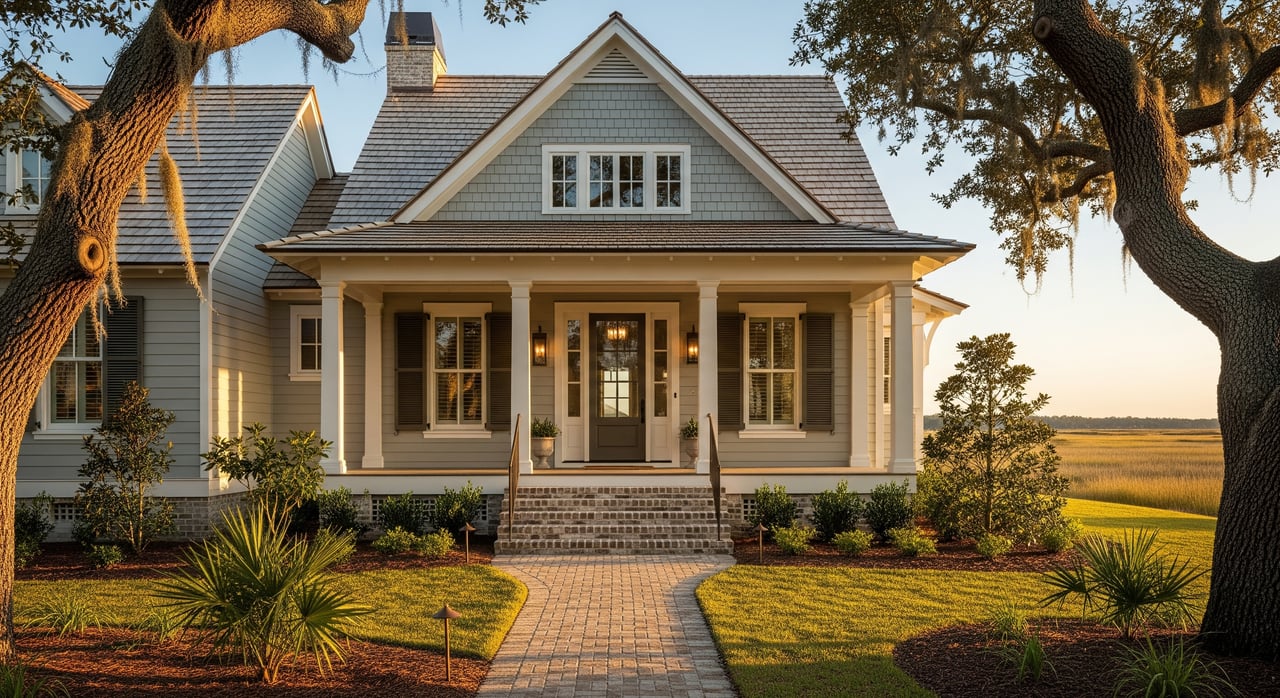
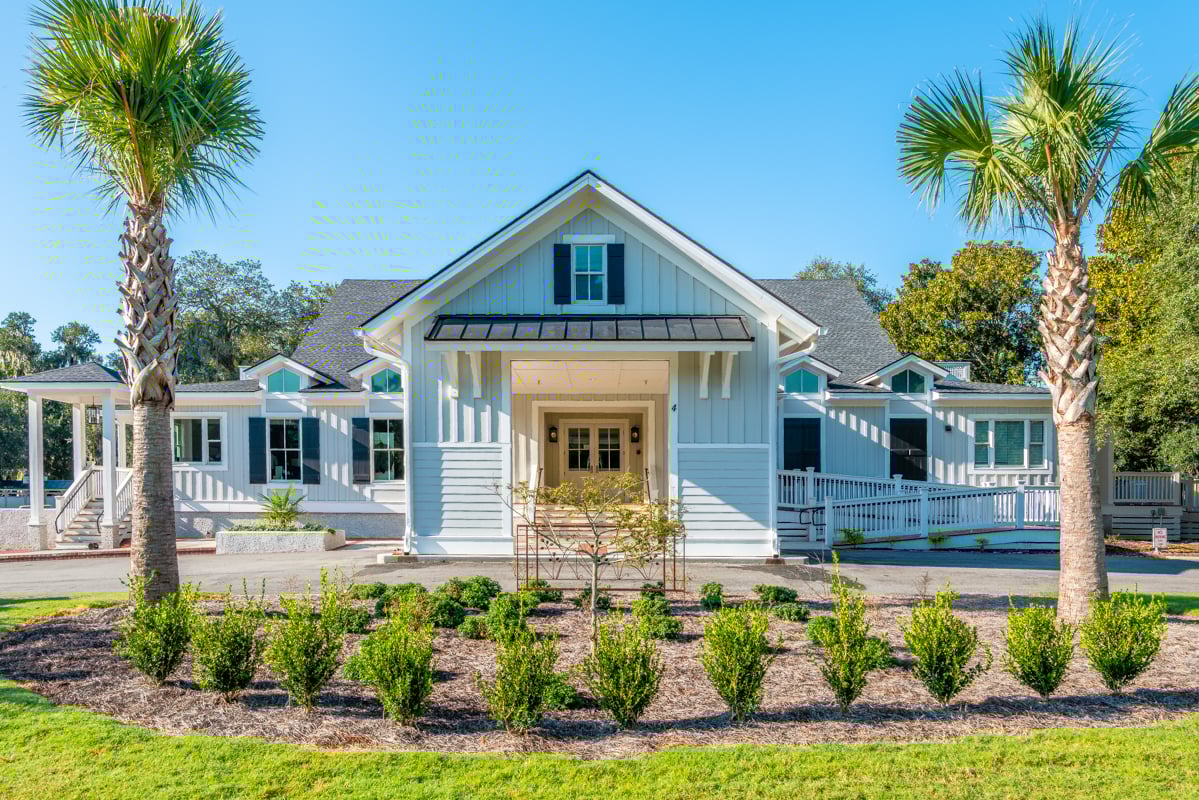
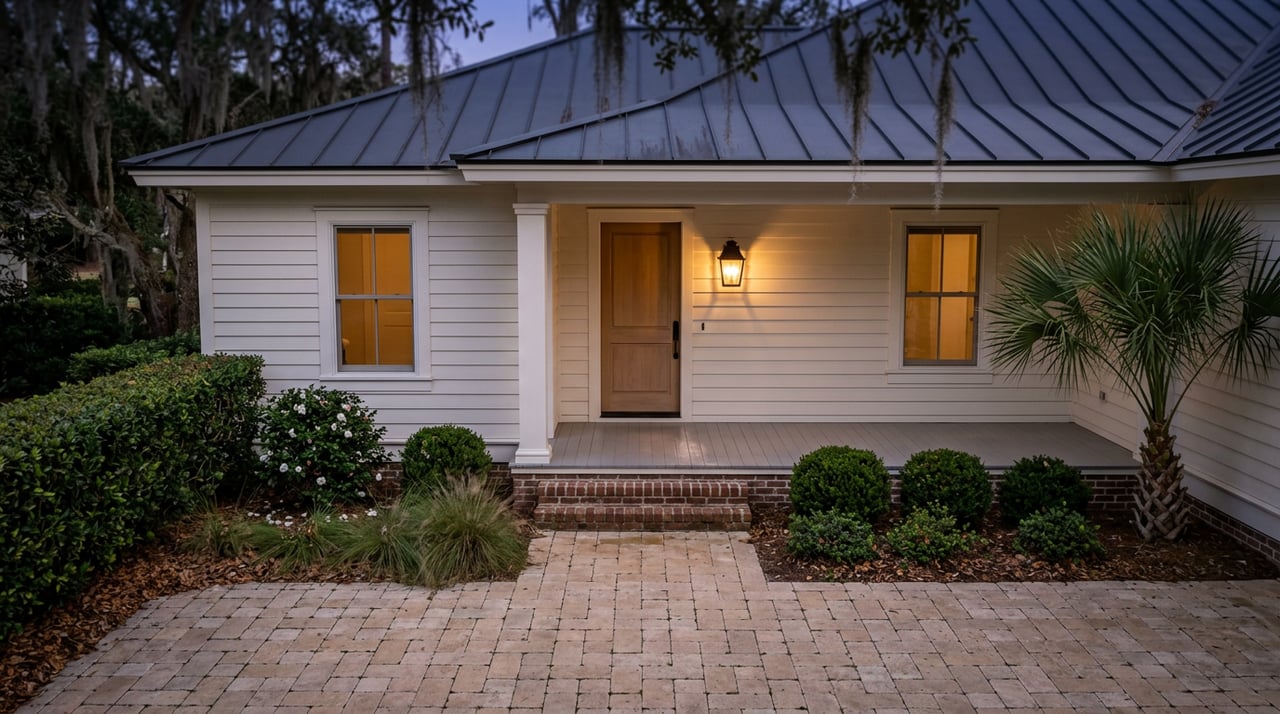
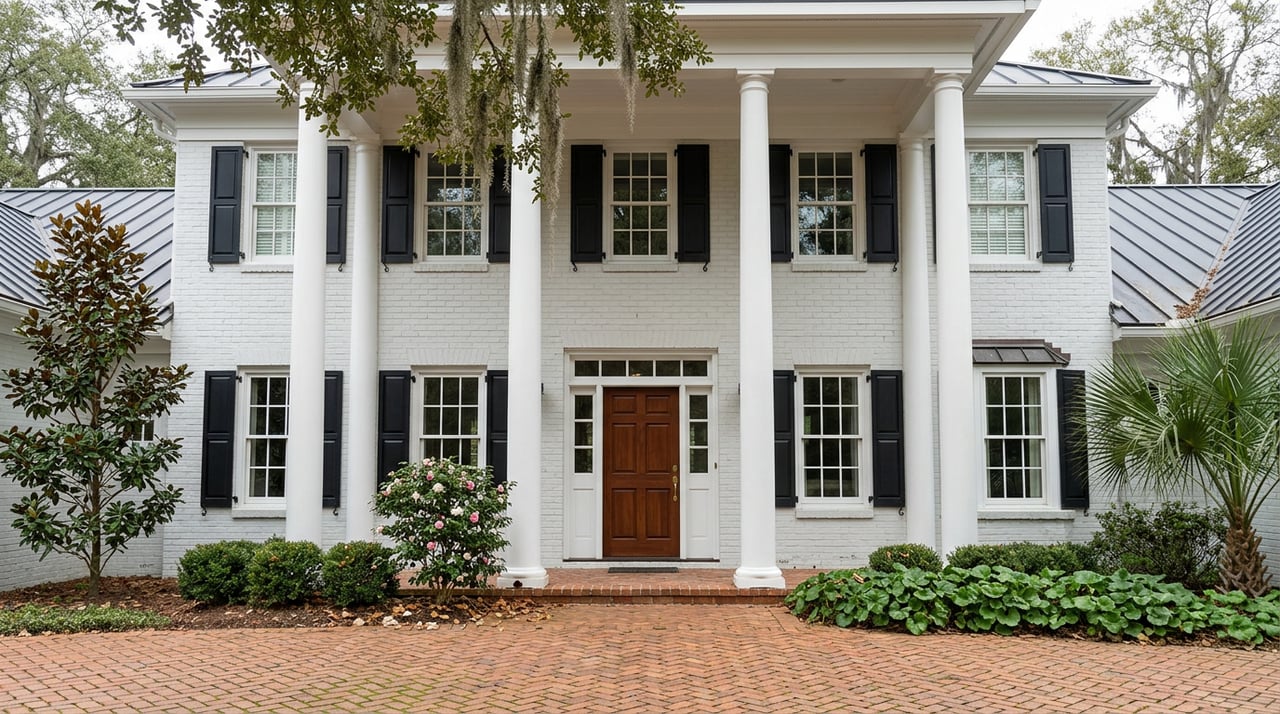
An exterior refresh is the fastest way to lift first impressions. You can repaint within the approved palette, update the front door and lighting, refresh landscaping, and consider a garage door style that fits nearby homes.
- What to submit: color chips, elevation for a new door, lighting specs, and a simple landscape plan. Many ARBs ask for manufacturer sheets for fixtures and materials.
- Materials that last: fiber‑cement siding, rot‑resistant trim, coastal‑rated paints, and salt‑resistant or marine‑grade hardware and lighting. These choices perform better in Beaufort County’s climate.
- Why it works: curb appeal draws attention and broadens buyer interest. It is typically lower cost than structural work with a short timeline.
- What to avoid: unapproved bold color shifts, eclectic details that clash with the streetscape, and materials prone to corrosion or rot.
Porch expansions buyers love
Covered and screened porches fit the Lowcountry lifestyle and add usable space. Thoughtful porch expansions can reduce cooling loads, improve indoor‑outdoor flow, and make your home feel larger.
- Typical scope: extend the porch footprint, add a roof tie‑in, widen steps, add columns that match the home, and consider a screened enclosure if allowed.
- ARB focus: proportion, rooflines, column and railing profiles, foundations, and visibility from the street. Provide scaled site plans, elevations, and materials.
- Permits: structural work usually requires building permits. Plan for wind code connectors, flashing, and inspections. If you are in a flood zone or disturb the ground, extra requirements may apply.
- Materials: pressure‑treated or durable decking, fiber‑cement or wood columns, and powder‑coated or stainless rails and fasteners.
- What to avoid: oversized porches that dominate the façade, incompatible railing details, or sunroom‑style enclosures without ARB approval.
Outdoor kitchens with the right permits
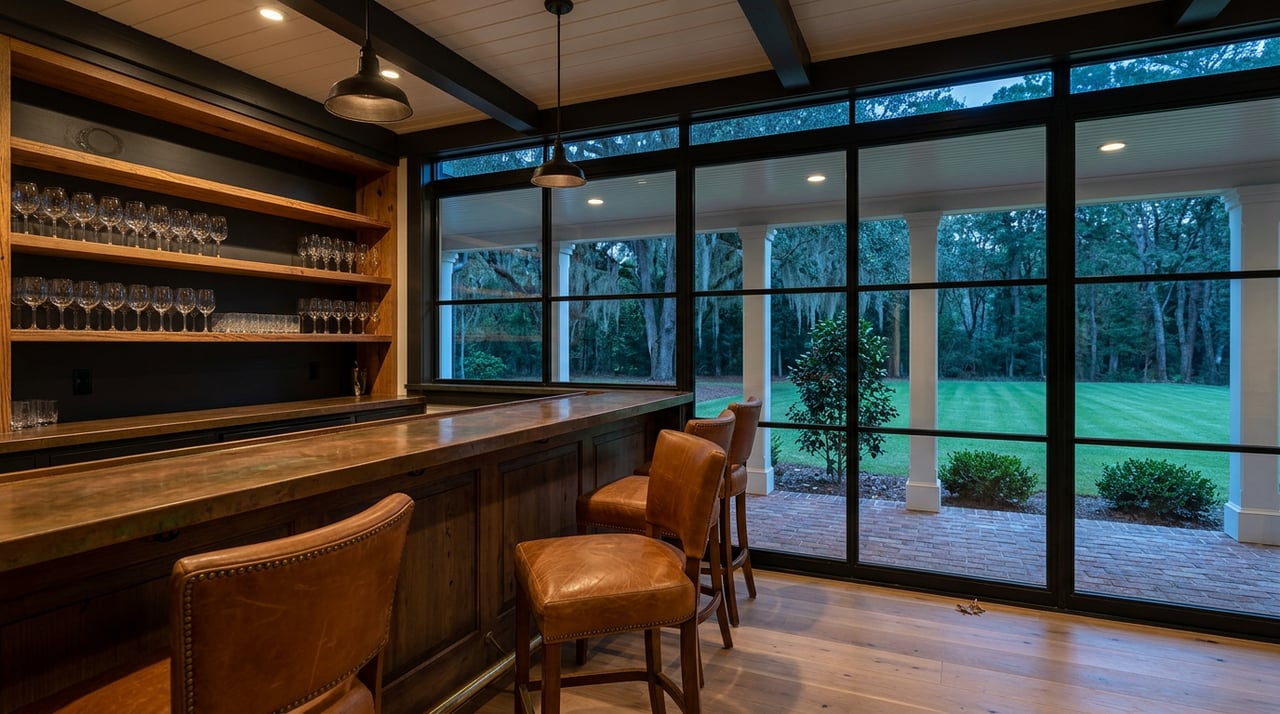
Outdoor kitchens can set your property apart if you enjoy entertaining. Keep the design integrated with existing hardscape and the home’s materials.
- Typical scope: a built‑in grill, sealed masonry or stucco base, prep counters, under‑counter refrigeration, sink, storage, and optional bar seating or pizza oven. Pergolas, paver patios, and lighting are common add‑ons.
- ARB focus: location and screening, venting and hoods, appliance visibility, and colors that tie back to the house. You may need to mitigate noise or odors near neighbors.
- Permits: expect electrical for outlets and lighting, plumbing for the sink, and gas permits for natural gas or propane lines. If you add a roof or structural framing, you will also need a building permit.
- Materials: marine‑grade stainless appliances and fasteners, UV‑stable countertops, and a covered or partially covered setup to extend equipment life.
- What to avoid: large freestanding grills in visible areas without approval, improper venting near windows or doors, long exposed gas line runs, and materials that corrode quickly.
Approvals and permitting in Bluffton and Beaufort County
Getting both ARB approval and government permits right from the start prevents delays. Plan for review cycles and possible revisions.
Prepare a complete ARB package
Most ARBs want a thorough, organized submission. Confirm Rose Hill’s checklist, then prepare:
- Completed application and fee
- Scaled site plan with setbacks, property lines, and any footprint changes
- Existing and proposed elevations for all sides
- Color chips, material samples, and manufacturer specs for doors, lighting, and appliances
- Landscape plan and tree protection notes if you are altering plantings
- Contractor license, scope, start and finish dates
- Photos of existing conditions and adjacent homes for context
Consider a pre‑application conversation if available. Early feedback can save weeks.
Map your timeline and inspections
Review schedules vary. Some ARBs meet monthly; others conduct weekly administrative reviews. Building permit timelines depend on scope and jurisdiction.
A typical sequence looks like this:
- Week 0 to 2: Pre‑application chat and schematic design
- Week 2 to 4: Formal ARB submission
- Week 4 to 6: ARB review and conditional or final approval
- Weeks 3 to 8: Prepare permit drawings and submit to the Town or County
- Weeks 6 to 12: Receive permits, address any ARB revisions
- Construction windows: exterior refresh 1 to 3 weeks, porch 3 to 8 weeks, outdoor kitchen 3 to 12 weeks
- Closeout: final inspections and ARB sign‑off 1 to 3 weeks
Do not begin construction until both ARB approval and required municipal permits are in hand. Keep the ARB informed about staging, dumpsters, and work hours to comply with community rules.
Design and materials that perform in the Lowcountry
Salt, humidity, and storm exposure are hard on exteriors. Choosing the right details helps you pass review and reduces long‑term costs.
- Prefer neutral Lowcountry colors such as soft grays, beiges, white trims, and muted coastal blues or greens if the palette allows.
- Match porch columns and railing profiles to your home’s style. Keep proportions consistent with existing architecture.
- Use fiber‑cement siding, rot‑resistant trim, and coastal‑rated paints for durability.
- Select marine‑grade stainless steel for outdoor kitchen appliances and fasteners. Seal masonry and use UV‑stable counters.
- Integrate outdoor kitchens with existing hardscape and repeat house materials or tones for continuity.
- Landscape with native or salt‑tolerant plants to soften new hardscapes and screen mechanicals.
Cost, ROI, and right‑sizing your plans
Exterior refreshes often deliver strong perceived value with modest spend and short timelines. Porch additions can be excellent in this market when scaled to the home and streetscape. Outdoor kitchens can command a premium among buyers who entertain, but they are more variable in ROI. Align scope with the neighborhood price point and your hold period.
A simple rule of thumb: keep improvements compatible in size, style, and finish. Over‑customizing with niche appliances or exotic finishes can shrink your future buyer pool and draw ARB scrutiny.
Avoid these common roadblocks
Many ARB delays are preventable. Review this checklist before you submit:
- Incomplete packages that lack elevations, color samples, or site plans
- Colors or materials that conflict with the adopted palette
- Additions that overwhelm the façade or alter rooflines out of proportion
- Visible mechanicals, meters, or equipment without proper screening
- Encroaching into setbacks, easements, conservation buffers, or protected trees
- No plan for drainage, especially in flood‑influenced areas
- Ignoring construction staging rules for hours, dumpsters, and site cleanliness
A simple plan to move forward
Use this step‑by‑step approach to reduce surprises and keep momentum.
Define the scope. Decide if you are pursuing an exterior refresh, a porch expansion, or an outdoor kitchen. Prioritize the item with the strongest appeal for your next resale.
Align design with the neighborhood. Keep massing and finishes consistent with adjacent homes and the community’s style.
Meet the ARB early. Share concept sketches to surface issues and confirm submittal requirements.
Prepare a complete package. Include site plans, elevations, color and material samples, and manufacturer specs for any fixtures or appliances.
Develop permit drawings in parallel. While the ARB reviews your plans, prepare building, electrical, plumbing, and gas documents for the Town of Bluffton or Beaufort County.
Plan for inspections and staging. Schedule structural and trade inspections and coordinate site logistics to meet ARB rules.
Document everything. Keep copies of approvals, permits, and inspections for resale disclosures and to speed up future transactions.
When you pace design, ARB, and permits in a logical sequence, you shorten your path to a high‑confidence, market‑ready upgrade.
Ready to invest confidently in Rose Hill?
If you want to align improvements with buyer demand and your resale timeline, we can help you evaluate scope and timing through a residential lens informed by investment discipline. Connect with The Bradford Group to discuss value‑add opportunities in Rose Hill and Request Your Home Valuation.
FAQs
What does the Rose Hill ARB typically review for exterior changes?
- Architectural style and massing, materials and colors, porches and decks, fences, hardscaping, landscaping, outdoor kitchens and mechanical screening, lighting, and construction procedures. Expect to submit site plans, elevations, and color or material samples.
Do I need both ARB approval and government permits in Bluffton or Beaufort County?
- Yes. The ARB governs aesthetics and neighborhood standards, while the Town of Bluffton or Beaufort County issues building, electrical, plumbing, gas, and floodplain permits. Many projects need both approvals before work starts.
Which projects usually offer the best ROI in Rose Hill?
- Exterior refreshes and right‑sized porch additions typically deliver strong buyer appeal. Outdoor kitchens can perform well for entertaining‑focused buyers, but ROI varies and depends on scope and neighborhood fit.
What materials hold up best in the Lowcountry’s coastal climate?
- Fiber‑cement siding, rot‑resistant trim, coastal‑rated paints, marine‑grade stainless appliances and fasteners, sealed masonry or stucco bases, and UV‑stable countertops. Use powder‑coated or stainless rails and concealed fasteners where possible.
How long should I expect the ARB and permit process to take?
- ARB review commonly takes 2 to 4 weeks, with revisions adding 1 to 3 weeks. Building permits range from about 2 to 6 weeks for smaller scopes, with structural or floodplain‑related projects taking longer. Plan your construction window accordingly.