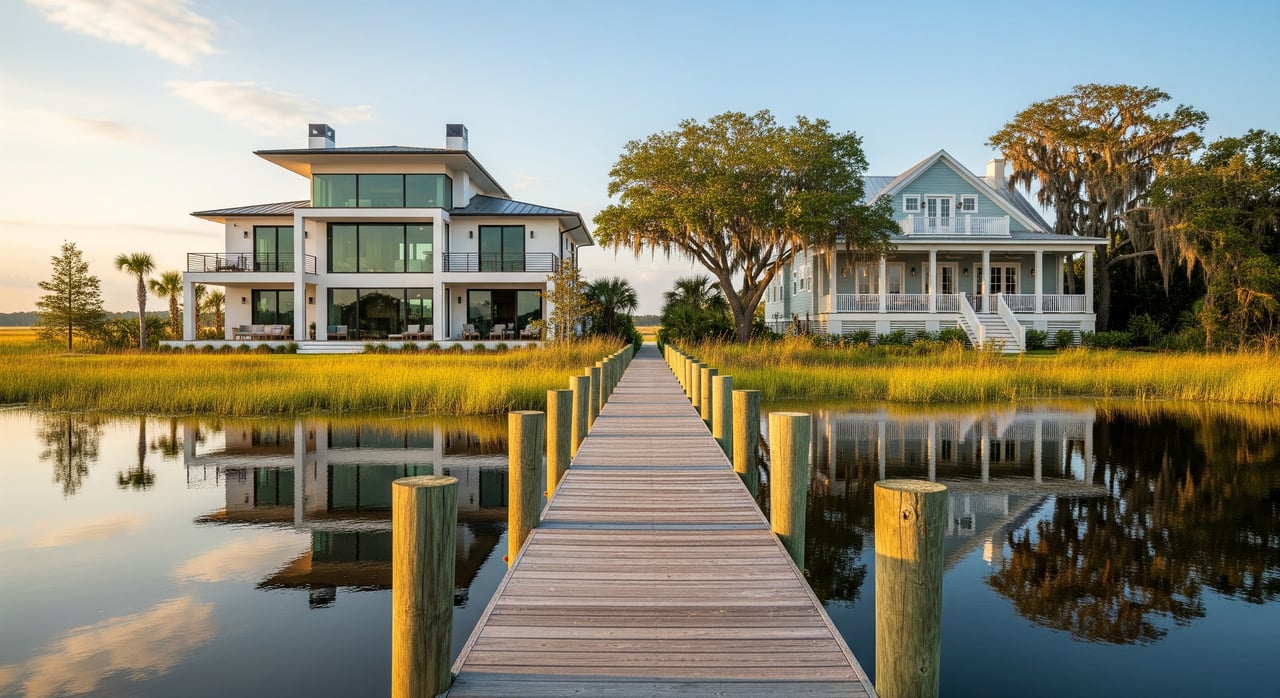
Trying to decide between building new or buying a resale home in Hampton Lake? You are not alone. The choice often comes down to how soon you want to move, how much you want to customize, and what you are willing to carry in costs during the process. This guide gives you a clear, Hampton Lake specific way to weigh timelines, budgets, warranties, lot premiums, and negotiation strategies so you can choose with confidence. Let’s dive in.
First decision: timeline or customization
If you need to move in soon, resale usually wins on speed. If you want to tailor floor plans, finishes, and lot orientation, new construction gives you the most control. Most buyers fall somewhere in the middle, so it helps to rank your priorities before touring homes or visiting builder models.
New construction: pros and cons
Pros
- Customization: Choose floor plan, finish packages, and sometimes structural options. Orientation and lot selection can improve views and privacy.
- Modern systems: New roof, HVAC, plumbing, and electrical reduce near term maintenance.
- Builder warranty: Typical coverage follows 1-year workmanship, 2-year systems, and 10-year structural (confirm exact terms in writing).
Cons
- Timeline: Semi-custom or custom builds commonly take 6–18 months from contract to completion, depending on permitting and selections.
- Upgrade costs: Options often add 5–20 percent or more to the base price. Change orders can mean extra cost and delay.
- Carrying costs: You may pay interest on a construction loan, hold taxes on a separate lot, or keep temporary housing during the build.
Resale: pros and cons
Pros
- Speed to close: Many resale homes close in 30–60 days after offer acceptance, subject to financing and inspections.
- Established setting: Mature landscaping and a finished streetscape help you see what you are getting.
- Negotiation flexibility: Price, repairs, and credits can be tailored to both parties’ timelines and needs.
Cons
- Limited customization: Changes require remodeling that adds cost and time.
- Warranty: No blanket builder warranty. You rely on inspections and negotiated repairs or a third-party home warranty if offered.
- Finish gap: You may need to budget for updates to match current new-home finishes.
Timeline and process in Hampton Lake
Resale transactions often run 30–60 days from contract to close, depending on your loan, appraisal, inspections, and title. Some sellers can close faster if you offer flexible terms.
For new construction, spec homes that are complete or near complete can close in weeks to a few months. If you choose a semi-custom or custom build, plan for 6–18 months. Local timing can be influenced by Beaufort County permitting, the community architectural review process, and seasonal weather. Heavy rains or hurricane season can slow site work and inspections, so ask builders for recent average build times and how they handle weather delays.
Costs and cash flow: what to plan for
When you buy resale, your costs begin at closing: mortgage payments, property taxes, HOA dues, insurance, utilities, and routine maintenance.
When you build, your cash flow is different:
- Construction financing: You may have interest-only draws or builder deposit schedules before you convert to a final mortgage.
- Lot holding costs: If you purchase a lot separately, property taxes and HOA dues can start before the home is complete.
- Insurance and fees: Expect utility connection fees, possible impact fees, and insurance appropriate for the construction phase.
- Overlap costs: If you must move by a fixed date, you might pay for temporary housing or carry two housing payments for a short period.
Builders sometimes offer financing incentives, closing cost contributions, or rate buydowns. On resale, sellers may agree to repair credits or other concessions. Compare the net effect of concessions on both paths before you decide.
Warranty, inspections, and risk transfer
With new construction, most builders follow a structure like 1 year on workmanship, 2 years on mechanical systems, and 10 years on major structural items. Ask for the full warranty document and confirm what is backed by a third-party provider versus the builder.
You should still insist on independent inspections on new builds. At minimum, schedule a pre-drywall inspection and a final inspection with a licensed inspector who understands coastal construction. For resale, include a full inspection contingency, define the repair scope clearly, and negotiate credits or repairs with a written timeline for completion.
Lot and location premiums around the lake
In Hampton Lake, lot attributes drive value. Lakefront status, dock or water access, view corridors, privacy, orientation for sunrise or sunset, proximity to amenities, and adjacency to open space can all influence price. Premiums vary. The best way to quantify them is to run an apples-to-apples comparison within the community.
Here is a practical method:
- Pull recent sold comps for the past 12–24 months and group them by on-lake versus off-lake.
- Normalize for finished square footage, age, finish level, and bed/bath count.
- Adjust for unique attributes like dock rights, tree canopy, and elevation.
- Compute the average price per square foot for each group, then calculate the dollar and percent difference.
This exercise shows the typical premium for lakefront over off-lake homes in current conditions. Revisit these numbers as inventory and seasonality change.
Build vs buy: your all-in comparison
To make a true side-by-side, list every cost line item for both choices:
- Purchase or build price
- Lot premium if separate
- Upgrades and options for new construction
- Estimated renovation budget to match desired finishes on a resale
- Carrying costs during construction: interest, temporary housing, taxes, insurance
- Closing costs and any concessions
- HOA dues and annual taxes
- Immediate landscaping and maintenance needs
Estimate your timing costs too. If building pushes move-in by nine months, add the cost of rent or the value of staying put. If resale lets you move sooner, factor in how that affects your total cost of housing.
A simple decision matrix
Give each criterion a weight from 1 to 5 based on how important it is to you. Then score new versus resale for each criterion.
- Time to move in
- Need for customization
- Budget flexibility for upgrades
- Desire for mature landscaping and an established streetscape
- Importance of specific lot location or water access
- Tolerance for construction delays and change orders
- Resale expectations and planned hold period
Add the weighted scores for each path. The higher score shows your likely best fit. It is a directional tool, not a final answer, but it often clarifies next steps.
Negotiating: builders vs private sellers
Builders set pricing to meet margin targets, so direct base price cuts can be limited. They are often more flexible on value through upgrades, closing costs, appliance packages, financing incentives, or rate buydowns. Expect standard contracts, deposit schedules, and firm deadlines for selections. Inventory timing and quarter-end goals can also influence incentives.
Private sellers vary by motivation, days on market, and their next move. Price, repairs, credits, and timing are often more negotiable. Your offer can trade speed and certainty for value: flexible closing dates, clear inspection scopes, or targeted repair credits.
How The Bradford Group helps you negotiate
You get clear comps, a clean offer structure, and terms that protect you without slowing the deal. For builder negotiations, we focus on total value packages that pair the right upgrades with closing cost help or financing incentives, and we tighten contract language around allowances, timelines, and inspection rights. For resale, we use local comps and days on market to justify price, define inspection scopes up front, and structure repair credits or flexible possession terms that align with your move.
Next steps in Hampton Lake
- Clarify your timeline and must-haves. Decide if time or customization matters more.
- Run the apples-to-apples numbers. Compare an all-in new build vs a comparable resale using the list above.
- Confirm financing. Explore construction-to-perm options and conventional loans so you know your range and rate.
- Assess lots and views. Walk or ride through areas you like at different times of day. Note privacy, orientation, and proximity to amenities.
- Verify details. Check HOA documents, architectural review requirements, estimated permitting timelines, and warranty terms.
- Schedule tours. See available resale homes and any suitable spec builds so you can compare finish levels in person.
When you are ready to weigh the tradeoffs in detail, connect with The Bradford Group for a tailored plan and a short list of best-fit options.
FAQs
How do I decide between new construction and resale in Hampton Lake?
- Start with your move-in date and customization needs. If you need to move within 60 days, resale likely fits. If you want to choose plan, finishes, and lot orientation, new construction is the path.
How long does new construction take in Hampton Lake?
- Semi-custom or custom builds commonly take 6–18 months from contract to completion. Weather, permitting, and selections can extend timelines. Ask each builder for recent averages.
What warranties come with a new home in Hampton Lake?
- Many builders follow a 1-year workmanship, 2-year systems, and 10-year structural framework. Get the warranty in writing and confirm any third-party coverage and claims process.
Can I negotiate price with a builder, or should I target incentives?
- Builders often protect base price but offer value through upgrades, closing cost help, or rate buydowns. Package your asks for total value rather than a base price cut alone.
What carrying costs should I expect during construction?
- Budget for interest on draws or deposits, property taxes on the lot if separate, insurance appropriate for construction, and possible temporary housing if your move date comes first.
How do lakefront lot premiums work in Hampton Lake?
- Compare recent on-lake and off-lake sales on a price-per-square-foot basis, adjusted for size, finish, age, view, and dock rights. The difference shows the typical premium at today’s market levels.
What protections do I have if a builder delays completion?
- Clarify completion definitions and remedies in the contract. Include inspection stages, allowance deadlines, and options for date extensions or other agreed remedies.
If I buy resale, how do I budget for updates to match new construction?
- Price comparable new finishes, then add a realistic renovation number for flooring, counters, appliances, paint, and lighting. Compare that total to the cost of selecting upgrades in a new build.