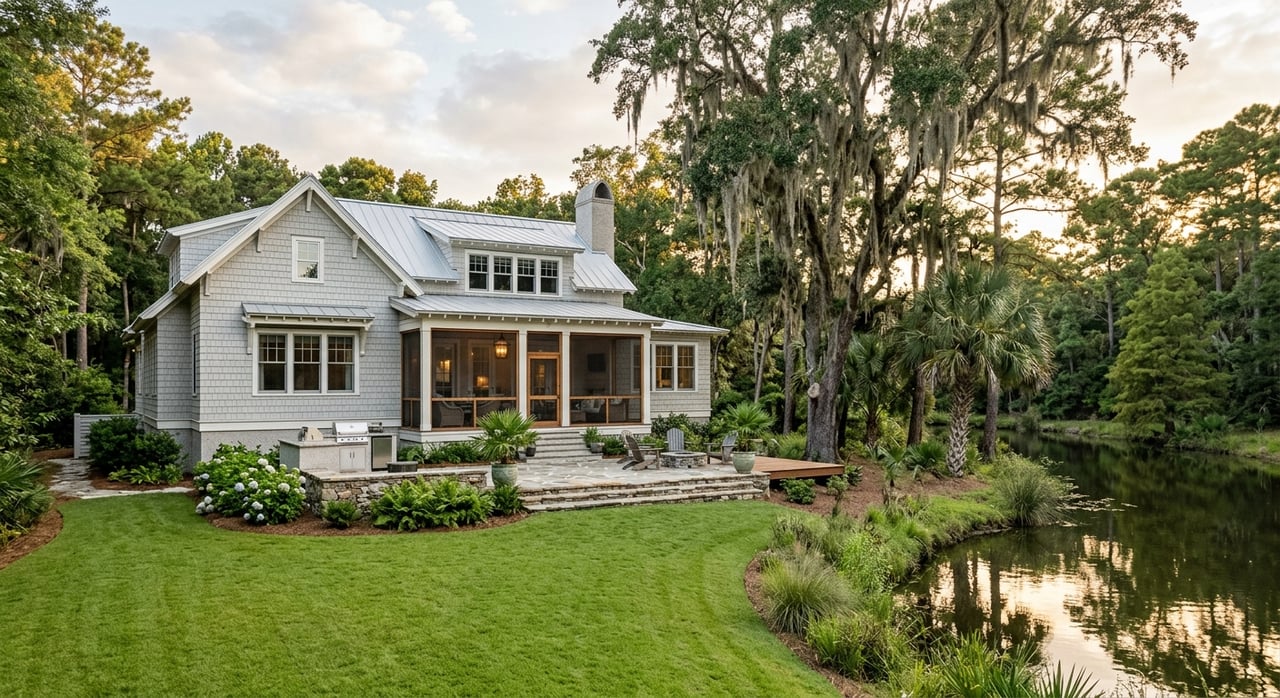
If you are buying in Hampton Lake, your homesite choice may shape your day-to-day experience more than your floor plan. Some buyers want water outside the back door, while others want shade, privacy, or easy access to community amenities without paying for main-lake frontage. The good news is that Hampton Lake offers distinct options, and the right fit usually becomes clear once you know what to compare. Let’s dive in.
Why homesite choice matters
Hampton Lake is built around a 227-acre freshwater lake, a 470-acre nature preserve, 15 miles of navigable waterways, and the separate Crystal Lake and Parkside amenity area. That means your lot choice is not just about size. It is also about orientation, rear-yard feel, access, and how you want to live in the community.
The developer materials also note that there is no time frame to build. For you, that makes lot selection a longer-horizon decision. You may be choosing not only where your future home will sit, but also what kind of setting you want to preserve over time.
Water homesites in Hampton Lake
What water-oriented living offers
For many buyers, direct water is the most compelling option. In Hampton Lake, that usually means stronger visual impact, a greater sense of openness, and a closer connection to boating and waterfront activity. It also tends to come with a higher price floor than wooded or preserve-view lots.
Current public examples show that premium. One lake-view homesite at 224 Hampton Lake Drive was listed at $399,000 for 0.36 acres, while 48 Anchor Cove Court was listed at $380,000 for a 0.32-acre waterfront lot with direct water access and a preserve backdrop. In a thin land inventory market, those examples help frame how water orientation is typically valued.
Boat slips, bulkheads, and docks
This is one area where buyers should slow down and verify details. Hampton Lake’s brochure says most lakefront homesites can accommodate bulkhead boat docks, but the architectural rules are more specific. Boat slips may be allowed on certain lake or waterway lots with sufficient frontage, while docks are allowed only in designated marina areas and not on residential homesites.
That difference matters. If a listing mentions a dock, you should confirm whether it is actually an allowed residential feature, an existing structure tied to prior approvals, or a description that loosely refers to water access. If boating is a top priority, the exact frontage and permitted improvements should be reviewed before you make assumptions.
Backyard tradeoffs on water lots
Water lots often deliver the best views, but they can be a little less flexible in the rear yard. Hampton Lake design guidelines allow screened enclosures as close as 15 feet from the rear lot line on lakefront lots and 10 feet on waterway-fronting lots. That is more restrictive than what is allowed on wooded or preserve-fronting homesites.
In plain terms, you may be paying more for the view while accepting tighter placement rules for certain outdoor features. For some buyers, that is an easy trade. For others, it shifts the value equation.
Wooded homesites in Hampton Lake
Why buyers choose wooded lots
Wooded homesites are often the privacy-first option. If you want a more sheltered backyard feel, mature natural surroundings, or a setting that feels tucked away, this category may be the best match. It can also be an appealing middle ground if you want Hampton Lake living without paying a premium for direct water.
A current public listing at 421 Hampton Lake Drive was priced at $179,000 for a 0.35-acre partially wooded lot described as high and dry. That is a useful contrast to current water-oriented pricing, even though each lot should be judged on its own position, frontage, and buildability.
More forgiving rear-yard flexibility
Wooded and preserve-fronting lots have one practical advantage many buyers overlook. Under the design guidelines, screened enclosures may be placed as close as 5 feet from the rear lot line on these homesites. That is more flexible than the spacing allowed on waterway-fronting and lakefront lots.
If you picture yourself using a porch, lanai, or backyard living area often, that extra flexibility can matter. It may give you more options for how your house sits on the lot and how your outdoor space functions.
Pricing can vary more than expected
It is easy to assume wooded means inexpensive, but that is not always true. Public data in the research shows a wide range, including a recent sale at 283 Hampton Lake Drive for $60,000 in November 2025 and brochure pricing for preserve-view homesites ranging from the low $90,000s to the mid $100,000s. Those numbers are best treated as directional, not fixed.
A partially wooded lot with favorable topography, privacy, or location can still command a meaningful premium. In Hampton Lake, small differences in shape, rear boundary, and adjacency can move the value quickly.
Preserve homesites in Hampton Lake
What preserve-view living feels like
Preserve-view homesites offer a natural backdrop without direct water ownership. If you want a sense of permanence behind the home, this can be a very appealing category. In many cases, buyers are choosing these lots for quiet views, privacy, and a landscape-driven setting.
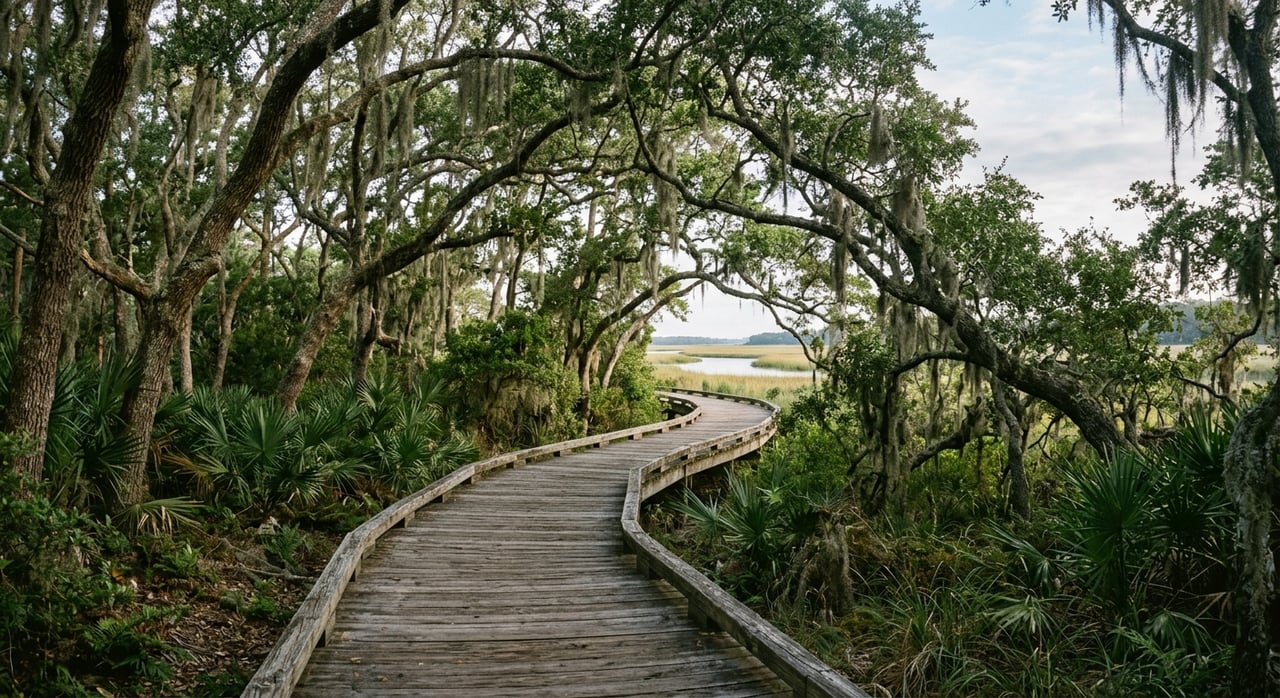
The community’s 470-acre nature preserve gives this lot type real identity. For buyers who value the Lowcountry setting as much as the house itself, preserve orientation can feel like a smart balance between scenery and cost.
A strong fit for long-term livability
Preserve lots can also be practical if you want a home that lives comfortably every day. Compared with lakefront sites, they may offer more forgiving backyard placement rules and often come at a lower entry point. That can free up budget for home design, outdoor living, or finishes.
For some buyers, this is the sweet spot. You still get an attractive rear view and a strong sense of place, but you avoid the added cost and tighter restrictions that can come with main-water exposure.
Amenity-adjacent lots near Parkside
Not private waterfront, but very convenient
Hampton Lake’s public materials use Parkside and Crystal Lake terminology rather than a formal lagoon-lot category. Based on the research, the best way to think about this area is amenity-adjacent living rather than private waterfront ownership. If your priority is daily convenience, this part of the community deserves a close look.
The official community materials show Crystal Lake at Parkside is open daily, and the brochure places several preserve-view collections within walking distance of Parkside Amenity Center and Crystal Lake. A current listing at 162 Quarter Casting Circle was marketed as a short stroll to both, which reflects how the market positions these homesites.
Best for lifestyle-focused buyers
If you care more about easy access to community activity than private frontage, this can be the value play. You may be able to enjoy a resort-style day-to-day experience without paying for a main-lake homesite. That makes these lots especially worth considering if your routine centers on amenities, walks, and community gathering spaces.
What to verify before you buy
Check the plat and easements
Before you commit to any homesite, confirm the plat, utility easements, and exact rear boundary condition. Hampton Lake’s guidelines call for 10-foot utility easements inside property lines. That can affect how and where a home or outdoor features can be placed.
A lot that looks simple on a marketing map may become more complicated once surveyed. This is especially important if you are comparing two lots that seem similar on paper.
Understand preserve edges and wetlands
If a lot backs to a preserve edge or includes wetland-related constraints, additional setbacks may apply. That can affect buildable area and backyard usability. It is one of the clearest reasons to look beyond marketing photos and focus on the actual lot conditions.
For a longer-term purchase, that extra diligence is worth it. Since there is no required time frame to build, you want clarity today on what the homesite can realistically support tomorrow.
Confirm water frontage rights
If boating matters to you, verify whether the homesite has enough frontage for a boat slip or bulkhead and whether the use you want is actually permitted. Community rules say docks are not permitted on residential homesites, even though listing language may sometimes suggest otherwise. This is one of the most important due diligence items for water-oriented buyers.
Which Hampton Lake homesite is right for you?
If you want the strongest visual impact and direct connection to the water, lakefront or waterway-oriented lots will likely lead your list. If privacy and backyard flexibility matter more, wooded lots often deserve a harder look. If you want a natural backdrop with a balanced price point, preserve-view homesites can be a very smart choice.
And if your daily lifestyle revolves around being close to amenities, the Parkside and Crystal Lake side of Hampton Lake may offer the best overall fit. The right answer depends less on what sounds most impressive and more on how you want to live once you are there.
Choosing a homesite well means looking past the label and understanding what each lot truly offers. That is where local guidance can make the process easier and more strategic. If you are comparing homesites in Hampton Lake and want clear, on-the-ground insight, connect with The Bradford Group.
FAQs
What is the difference between lakefront and preserve homesites in Hampton Lake?
- Lakefront homesites usually offer direct water orientation and a higher price point, while preserve homesites typically offer a natural rear view, more privacy, and a lower cost of entry.
Can you build a dock on a residential homesite in Hampton Lake?
- Community design rules state that docks are allowed only in designated marina areas and not on residential homesites, so you should verify any listing language that suggests otherwise.
Are wooded homesites in Hampton Lake more affordable than water lots?
- Often yes, but not always. Public examples in the research show wooded and preserve-oriented lots can vary widely based on location, frontage, topography, and buildability.
What should you verify before buying a homesite in Hampton Lake?
- You should confirm the plat, utility easements, rear boundary condition, any preserve-edge or wetland-related setbacks, and water-frontage permissions if boating is important to you.
Are there homesites near Hampton Lake amenities without main-lake frontage?
- Yes. The Parkside and Crystal Lake area is best understood as amenity-adjacent living, with some homesites positioned within walking distance of those community features.