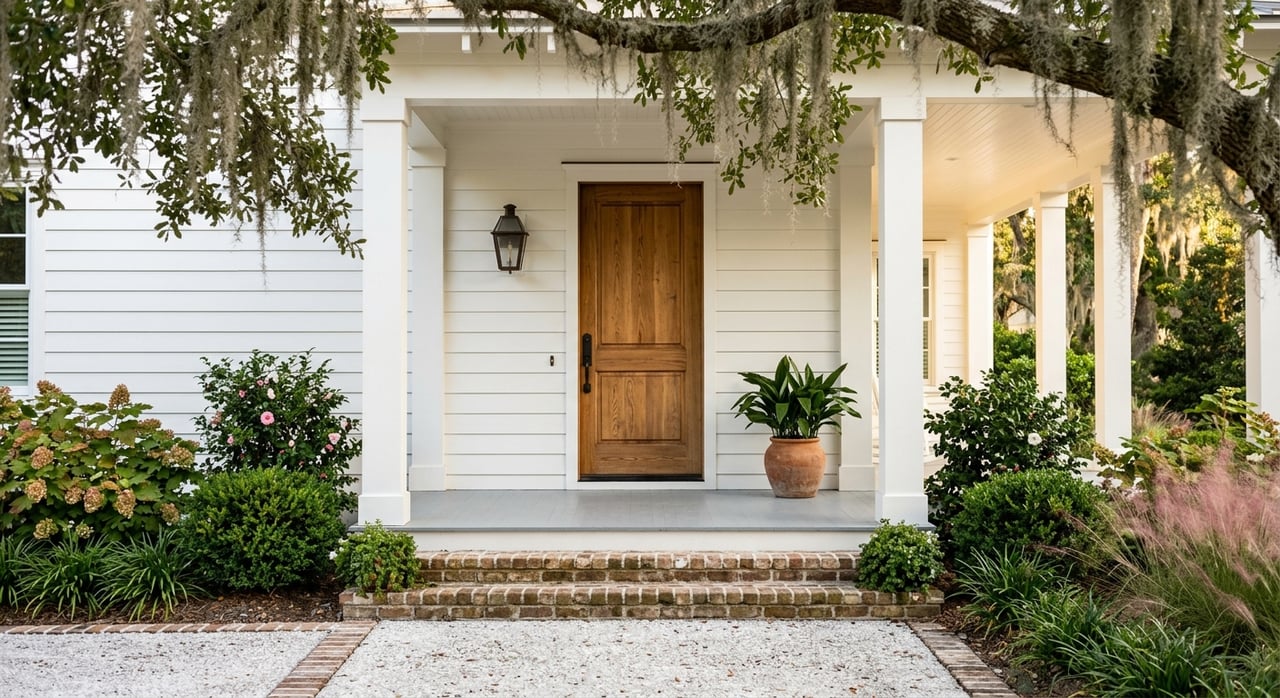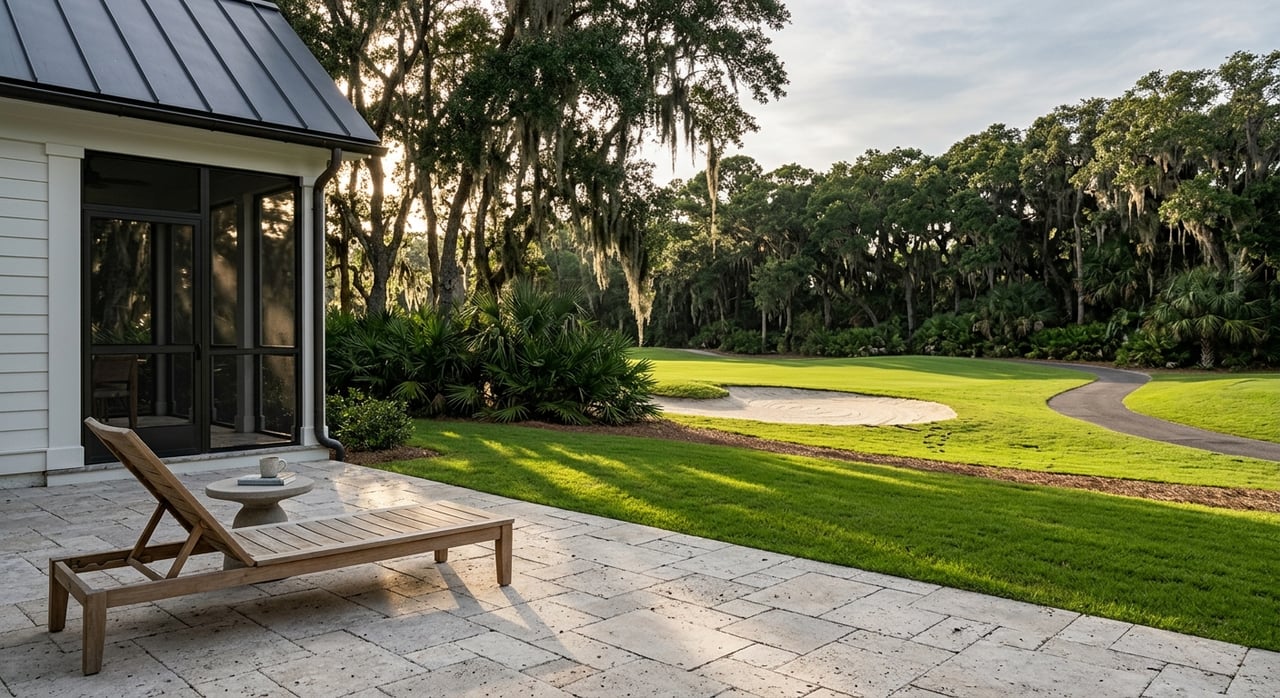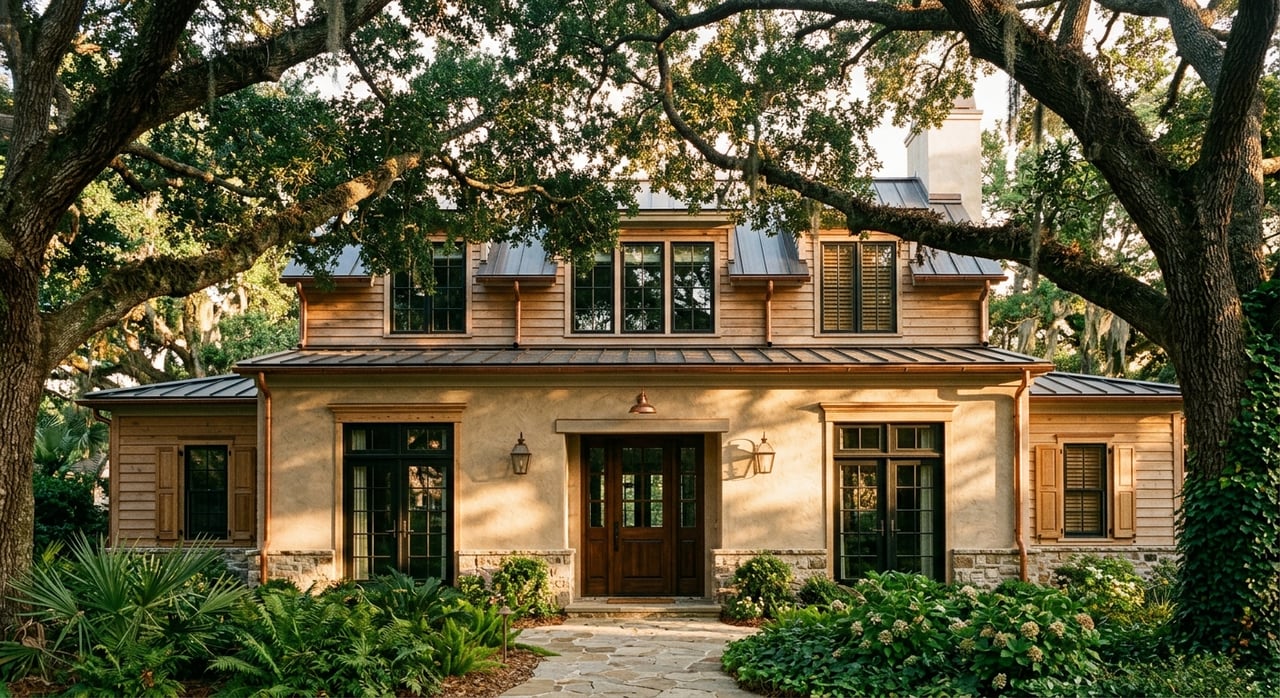
If you are watching growth around Berkeley Hall, the big question is simple: what kind of retail and office space actually makes sense here? In a market like the Okatie corridor, new development is not just about rooftops. It is about traffic, planning, nearby services, and how a low-density luxury community fits into a much larger growth pattern. This guide will help you understand what public data suggests about future retail and office demand near Berkeley Hall, and where the strongest opportunities appear to be. Let’s dive in.
Berkeley Hall Adds Prestige, Not Mass Scale
Berkeley Hall is a premium residential community, but it is also a finite one. The club describes the community as having 554 total homes and homesites, with a notably low-density layout of 5.3 homesites per hole.
That matters because prestige and purchasing power do not always equal large-scale retail demand. Berkeley Hall can support spending on convenience, services, and professional uses, but it does not create the household count needed for major big-box or destination retail on its own.
Bluffton Growth Expands the Demand Base
The broader story gets more interesting when you look beyond Berkeley Hall itself. Bluffton’s 2024 MS4 annual report says the town’s estimated population reached 35,243 as of July 1, 2023, up from 12,530 in the 2010 Census.
That kind of growth changes the commercial picture. It suggests that demand near Berkeley Hall is shaped not only by residents inside the gates, but also by the expanding Bluffton and Okatie population moving through the corridor every day.
Beaufort County’s Census QuickFacts page lists a median household income of $86,573 for 2020 through 2024. Combined with Bluffton’s population growth, that points to a corridor with meaningful spending power, even if the immediate Berkeley Hall footprint remains limited in size.
Future Growth Is Already Planned
Public planning documents show that this corridor is not an accidental growth area. Beaufort County identifies preparation and implementation of its comprehensive plan as a core planning function, supported by corridor plans and other regulatory tools.
For buyers, sellers, investors, and landowners, that means the area around Berkeley Hall is being considered in a structured way. Growth is not guaranteed at any one site, but the framework for additional mixed-use and commercial activity is already in place.
Bluffton Crossroads Points to Measured Office Growth
Bluffton’s Blueprint Bluffton land-use element offers a useful clue about the likely shape of future development. In the Bluffton Crossroads focus area, the plan recommends scaled office development with ancillary retail and restaurants.
Just as important, the plan notes that additional retail should be market-tested because there are already three grocery-anchored shopping centers within 2.5 miles. It also says modest office demand should persist over the 10-year horizon.
That is a practical signal for the market. The likely path is not unlimited retail expansion. It is targeted, right-sized commercial growth that fills real gaps.
Okatie Planning Supports Mixed-Use Flexibility
County documents for Okatie Center show planned Commercial/Retail and Office uses, while also noting that the specific locations are conceptual and subject to change with market demand. That flexibility is important because it allows future projects to adjust to tenant needs, traffic patterns, and absorption.
Development agreements in the area reinforce the same pattern. County records reference office and commercial space tied to additional residential units, including live/work units above retail or office space in Okatie Village.
Taken together, these documents suggest a corridor designed for incremental mixed-use growth, not one built around a single oversized retail bet.
Traffic Supports Commercial Visibility
One of the clearest demand drivers near Berkeley Hall is vehicle traffic. SCDOT’s 2024 traffic-count report shows strong daily volumes on the surrounding road network.
US 278 carries 68,000 AADT between SC 170 and SC 46, along with 38,800 AADT from the Jasper County line to SC 170. SC 170 carries 39,000 AADT between US 278 and SC 462, and 26,300 AADT between SC 46 and US 278.
For retail and office users, those traffic counts matter because visibility and access often shape leasing success. High counts do not guarantee a project will work, but they do support uses that benefit from regular pass-by activity and strong corridor exposure.
Corridor Improvements Reinforce Activity
Beaufort County also lists active highway work in the broader corridor, including traffic signal retiming on US 278 and a signal rebuild at SC 170 and Parris Island Gateway. These projects should not be read as proof of future development.
Still, they do show that public agencies are actively managing this area as a high-volume transportation spine. That kind of infrastructure attention tends to matter when users evaluate convenience, access, and long-term functionality.
Medical Is One of the Strongest Anchors
If you want to understand why certain office and service uses make sense here, look at healthcare. Beaufort Memorial’s Okatie Medical Pavilion is a 70,000-square-foot regional medical facility at 122 Okatie Center Boulevard North.
According to Beaufort Memorial, the pavilion opened in 2020 after the system acquired the site in 2012 and broke ground in 2019. It serves the fast-growing southern Beaufort and Jasper County area and includes primary care, multi-specialty care, imaging, urgent care, oncology, rehabilitation, and other services.
This is a major signal for the corridor. Medical anchors often support nearby demand for complementary services, smaller office users, convenience retail, and everyday consumer stops that fit around healthcare traffic.
The Best Fit Is Small and Service-Oriented
Based on the public record, the strongest commercial opportunities near Berkeley Hall appear to be small-format retail, medical office, and low-intensity professional office. That aligns with the area’s demographics, planning guidance, and traffic profile.
Examples of likely good-fit uses may include:
- Medical and wellness office space
- Professional office suites
- Convenience-focused retail
- Service businesses tied to daily needs
- Small restaurant or ancillary food concepts where supported by the market
What appears less supported is speculative large-format retail. The local planning context already recognizes nearby shopping center supply, and Berkeley Hall itself does not add enough scale to carry a major destination retail strategy by itself.
Land Values Show Corridor Interest
Public listing and sale references in the corridor suggest that frontage and access can materially affect pricing. One example in the research report notes a parcel at 3119 Okatie Highway that sold for $130,000 in November 2016 and was later marketed in 2026 at $495,000, with about 2.2 acres and more than 550 feet of frontage on Highway 170.
Another current commercial land offering at 223 Okatie Village Drive is marketed at roughly $785,000 for 1.28 acres and described as suitable for retail, office, or medical uses in a planned-unit-development setting near a retail node.
These are not direct proof of value for every site, and asking prices are not the same as closed sales. Still, they do provide a practical reminder that well-positioned corridor land can reprice meaningfully when frontage, access, and entitlements align.
Site Selection Still Requires Discipline
Even in a promising corridor, not every parcel is equal. The underwriting story here depends on more than visibility.
Public documents point to several practical factors that deserve close attention:
- Cross-access and shared circulation
- Ingress and egress quality
- Stormwater capacity
- PUD flexibility
- Fit with realistic tenant demand
For investors and landowners, this is where local knowledge becomes especially important. A site may look attractive from the road, but entitlement limits, drainage requirements, or access constraints can change the economics quickly.
Water and Stormwater Matter Here
The environmental layer is especially important around Okatie and Bluffton. Bluffton’s 2024 MS4 report says growth has increased impervious surface, and the town actively manages stormwater and shared monitoring in the Okatie/Colleton and New watersheds.
The town also ties its watershed management mission to the May, Okatie/Colleton, and New Rivers. Blueprint Bluffton states that both the May and Okatie Rivers are designated Outstanding Resource Waters, and Beaufort County lists both a Preliminary Okatie Watershed Plan and an Okatie River Watershed Plan.
For commercial projects, this means water quality and runoff are not side issues. They are part of the development equation from the beginning and can influence cost, timing, and site feasibility.
What This Means Near Berkeley Hall
So how does growth around Berkeley Hall shape future retail and office? The answer is that Berkeley Hall strengthens the quality of the demand base, while the larger Okatie and Bluffton corridor supplies the scale.
That combination tends to favor thoughtful, smaller-format commercial uses over oversized projects. The public planning record, traffic counts, medical presence, and corridor land-use framework all point in a similar direction.
If you are evaluating property in or around Berkeley Hall, the opportunity is less about chasing the biggest possible concept and more about identifying the right use in the right node. In this part of Beaufort County, disciplined site selection and realistic product fit are likely to matter more than broad growth headlines.
Whether you are weighing a land sale, assessing commercial potential, or trying to understand how nearby growth could affect long-term value, a local view matters. For tailored insight on Berkeley Hall, Okatie, and the broader Bluffton corridor, connect with The Bradford Group.
FAQs
What kind of retail is most likely near Berkeley Hall?
- The public data points most strongly to convenience retail, service-oriented businesses, and ancillary retail tied to nearby residential and medical activity rather than large-format destination retail.
Why does office demand around Berkeley Hall appear limited but steady?
- Bluffton planning documents indicate scaled office development with ancillary retail is the better fit for the corridor, and they describe office demand as modest but likely to persist over a 10-year horizon.
How does Bluffton growth affect commercial demand near Berkeley Hall?
- Bluffton’s population growth expands the customer and employee base moving through the area, which supports more commercial activity than Berkeley Hall’s residential count could generate on its own.
Why is medical office important in the Okatie corridor?
- The 70,000-square-foot Beaufort Memorial Okatie Medical Pavilion creates a major healthcare anchor that can support related office users, services, and convenience-oriented commercial activity nearby.
What should investors study before buying commercial land near Berkeley Hall?
- Key items include access, frontage, traffic flow, stormwater constraints, planned-unit-development flexibility, and whether the likely tenant demand matches the site’s size and location.